
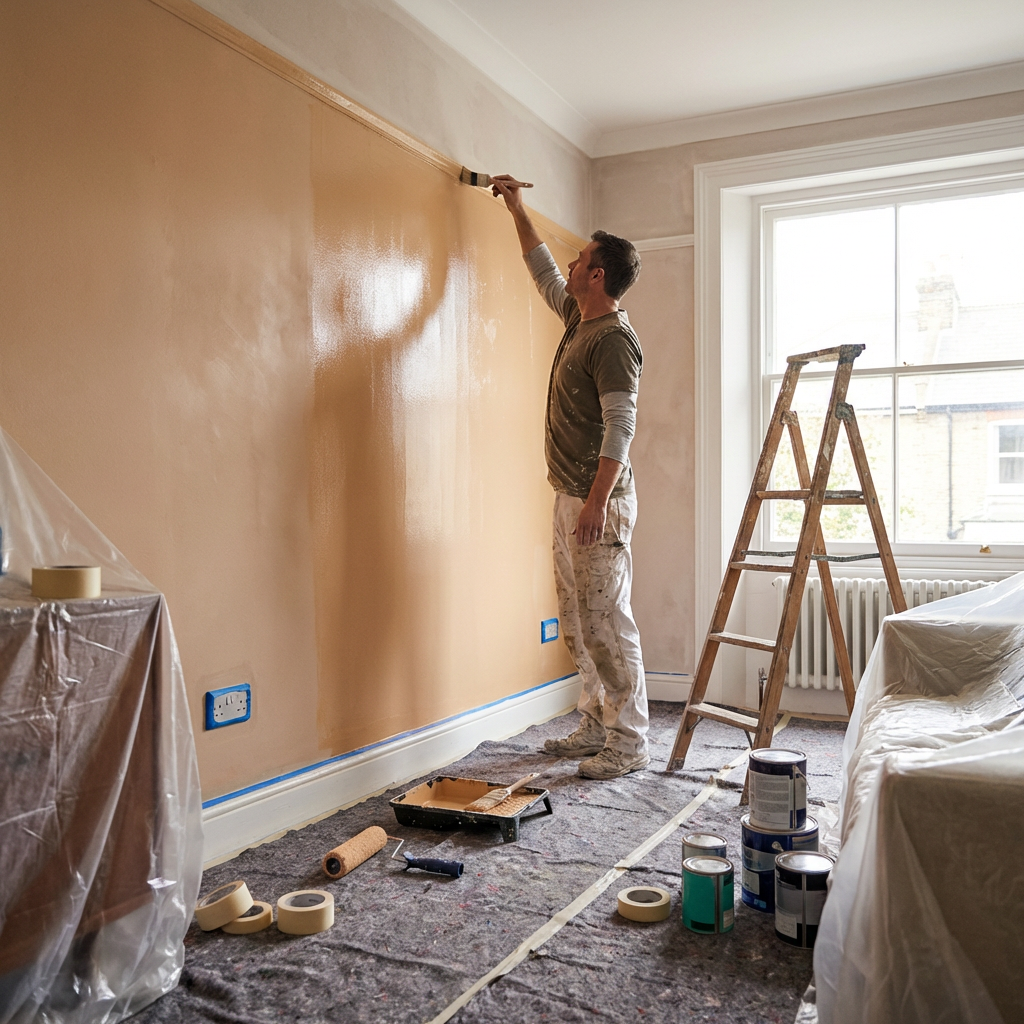
Interior painting What is interior painting? Interior house or office painting is choosing colours, finishes and applying different products to make your indoor spaces look better. It’s important, because paint contributes not only to mood and lighting, but also to durability and long-term maintenance (not to mention appearance). A well-executed paint job on the inside of your home can make rooms feel larger, cleaner, warmer or cooler and in some cases more modern without making any architectural changes to the space. This guide explains how interior painting works, shares tips on finding the colors that make sense for your space and offers advice on which finishes work best in what rooms — as well as some ideas of the techniques you can do yourself to get professional-looking results.
What Interior Painting Really Involves
Interior painting is about more than just slapping paint on walls. It ranges from the prep work — such as making sure the surface is clean and smooth, sanding off any old paint or debris and basing out deep wounds with drywall compound or spackling — through to product selection, planned application and awareness about how each choice will impact longevity and overall appearance. Properly applied paint will guard surfaces from water damage, wear and tear and stains, while giving the space a cohesive look. The key to a great interior paint job is the combination of three things, color, finish and technique. Fail to Rise The aforementioned guidelines are dependent upon each other; neglect of any one will frequently result in uneven finish, premature wear or regret after the paint has dried.
How To Choose the Perfect Colors for Interior Painting
Picking a color is typically one of the first decisions that people make and, nonetheless, one of the most daunting. You are not only there to just pick out the color you like, but to get a coordinated look that works with lighting, room size and whatever other materials you have prevalent in your home.
The Impact of Lighting on Interior Paint Colors
Natural (and artificial) light do wonders on how paint appears on the wall. A color that feels warm in sunlight can feel drab or vitriolic under artificial light at night. North-facing rooms have a chilling effect on colors; south-facing ones boost warmth. Before you commit to a color, try it on several walls and watch how it changes throughout the day. It is one of the most neglected but crucial steps to interior painting.
Choosing Colours Based on the Usage of the Room
Varying rooms profit from varying color techniques. In bedrooms, soft calming tones usually succeed. Kitchens and dining areas can accommodate warmer or brighter colors that encourage energy. Home offices generally look their best in dull tones that are low on visual distraction. The interior painting should add to how the room functions, not detract from its purpose.
Neutral vs Bold Colors in Interior Painting
Grays are still in vogue since they easily match with furniture and decor. Whites, beiges and soft grays mean flexibility and years of appealing neutrality. All bold colors can function well as accent walls or in rooms where the power of color exceeds its need to blend in. A well balanced middle of the road is often better: scratch neutral base colours with the odd dash of something stronger.
Understanding Interior Paint Finishes
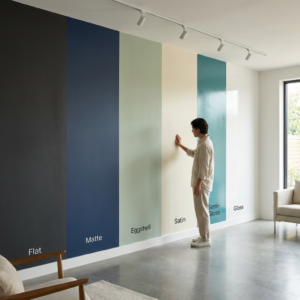
And paint finish affects how light reflects off the wall and how durable its surface will be over time. Even a perfect color can look wrong if your finish goes off-course.
Flat and Matte Finishes
Flat and matte finishes absorb light and minimize the appearance of minor surface imperfections. They’re great in low-traffic areas or on ceilings. The only downside is that they are less washable and become marked more easily.
Eggshell and Satin Finishes
Eggshell and satin are two of the most popular finishes for interior paints. They also offer a softer sheen that is more washable over time enhancing the ability to hide small imperfections. They’re great for living rooms, hallways and family spaces.
Semi-Gloss and Gloss Finishes
This finish is also a higher gloss, more light reflective and gets more durable. Perfect for trim, doors, kitchen cabinets and bath cabinets – and for those who value the convenience of soap & water clean-up You can choose from satin or semi-gloss finishes. On walls, they may showcase imperfections, so surface preparation is crucial.
Painting Techniques That Make All The Difference Inside My Bedroom
In the wrong hands, even the best paint will fail. The way you move your brush will impact coverage, texture and how long your paint holds up.
Surface Preparation Comes First
Successful professional interior painting begins with preparation. This may involve cleaning the walls, filling in any cracks, sanding rough areas and priming if it is required. Failure to prepare is typically what results in peeling, rough texture or lack of adherence.
Brush, Roller, or Spray Application
All methods of application have a place. Brushes also offer control for edges and details. Sponges are good for covering large wall spaces. Sprayers offer a smoother, more uniform finish, but they also require much more masking and skill. The right one will depend on surface type, paint, and desired finish.
Proper Coats and Drying Time
It is better to apply a few thin coats, not one thick coat. Proper drying time between coats is crucial to the durability of your finished paint job. This is one of interior painting mistakes that people rush this step the most.
Factors That Affect the Cost of Interior Painting
So many issues arise from unnecessary mistakes. Bad color testing, the wrong finish, no primer or just painting over dirty surfaces can diminish the life of a paint job. Another common error is not realizing how much paint will be required. Inconsistent batches or hurried coverage become apparent once the paint has dried.
When You Should Go for Professional Interior Painting
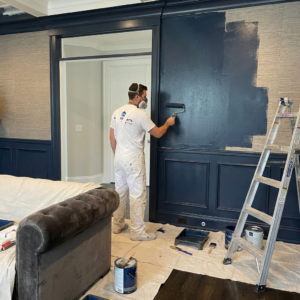
DIY painting may be fine for small projects, but large or intricate interiors will get a much better finish from professional experience. A pro knows everything about the surface, product compatibility and how it is applied to mitigate long-term issues. Companies like niceguypainting also bring reliability, preparation standards and product knowledge to the table that can help make sure the finished product looks good and lasts longer. By going online with niceguypainting, homeowners can scratch the surface of professional possibilities to determine how they will match up in your home and lifestyle.
How House Value is Boosted by Interior Painting
New Interior Paint enhances the look and represents proper maintenance. Neutral interior painting that is correctly applied can make rooms feel fresher and more move-in ready. This is important not just for resale, but also for one’s own comfort daily. Good internal paintwork eliminates the need for constant touch ups and helps to maintain surfaces from wear.
Conclusion
If done thoughtfully, interior painting is surprisingly one of the most impactful ways to transform a home. If you select the appropriate colors, finishes and techniques, your results are going to look good and hold up. Detail such as light levels, room use, surface prep and due application matter. For the home owner seeking results that last, and a long lasting finish, looking into interior panting services through niceguypainting is the logical next step. The paint job has more than an aesthetic purpose. It’s an investment in comfort and an added layer of durability, as well as your peace of mind around the home.
FAQs
What type of paint finish is best for interior walls?
For interior walls, eggshell or satin finishes tend to be the best. They are the perfect middle ground between strength and looks, so that you can clean them more easily without glancing over every little imperfection.
How long does interior paint typically last?
The average life span of a good interior paint job, assuming that no extra factors work to cut its life short (more on that in a minute), is 5-10 years. High-wear areas might need touch-ups a little earlier.
Do I need to prime walls before interior painting?
We do recommend priming when painting over dark colors, repaired areas or new bare drywall. It increases adhesion, color matching, and overall durability.